
- All
- Product Name
- Product Keyword
- Product Model
- Product Summary
- Product Description
- Multi Field Search
Views: 0 Author: Site Editor Publish Time: 08-14-2026 Origin: Site


Selecting the optimal synthetic material fundamentally dictates the commercial viability, peak performance, and long-term durability of activewear. Poor fabric choices inevitably lead to product failure and severe consumer dissatisfaction. Today, OEM manufacturers and sportswear designers navigate unique complexities on a daily basis. You must expertly balance strict technical specifications with premium tactile hand-feel and highly scalable production costs. Moving beyond basic textile definitions is absolutely crucial for professional apparel sourcing. It is essential to deeply understand how specific yarn weaves and advanced chemical treatments interact when subjected to intense physical stress. Relying on generic material call-outs simply no longer suffices in today’s hyper-competitive athletic wear market.
This comprehensive SEO guide provides a verifiable, technical framework to effectively evaluate and source premium performance textiles. You will learn exactly how to map specific textile architectures to their correct end-use garment applications. We will thoroughly explore structural fabric evaluations, strategic yarn blends, and strict vendor compliance standards. Applying these proven sourcing principles actively minimizes prototyping errors and drastically mitigates expensive production risks. Ultimately, you can confidently build high-performance garments meticulously designed for extreme endurance and long-lasting customer satisfaction.
Performance polyester is not a monolith; selecting between knits, wovens, and specialized weaves dictates the ultimate end-use capabilities of the garment.
Technical textile evaluation requires rigorously assessing GSM, moisture-wicking treatments, and stretch-recovery rates against the garment’s specific performance baseline.
Fabric blends (especially with spandex or natural cotton) solve tactile and elasticity challenges but can alter dye sublimation readiness and production scalability.
Mitigating overseas sourcing risks involves strict compliance checks for colorfastness, pilling resistance, and ensuring consistent batch-to-batch manufacturing quality.
Generic material selection often leads directly to costly product failures, a reality frequently observed in early-stage activewear development. Using a generic or unoptimized blend of polyester fabrics can cause severe breathability issues for the end user. Additionally, dye migration represents another critical issue during mass production. If you select textiles based solely on the lowest possible pricing, the overall garment quality suffers dramatically. Poorly constructed synthetic materials trap excess body heat and tend to degrade significantly faster after repeated washing cycles.
Fortunately, advanced textiles elegantly solve these pressing business problems. They empower apparel brands to achieve high-tier technical specs while maintaining highly scalable OEM production costs. You can easily integrate critical performance features, such as durable water resistance and enhanced UV protection, without destroying your profit margins. Ultimately, high-performance synthetics perfectly bridge the gap between premium athletic functionality and mass-market affordability.
Printability remains a massive baseline advantage for these modern synthetic materials, with dye-sublimation printing working exceptionally well on such substrates. Specific fabric finishes heavily impact the ultimate print longevity and color vibrancy of the design. A properly finished surface securely holds vivid colors even through the most rigorous industrial washing cycles. Conversely, untreated surfaces often look heavily faded or completely blurred after minimal wear. Designers must carefully consider these harsh manufacturing realities before finalizing any technical packs (tech packs) for production.
Dye Migration Risks: Darker dyes bleeding into lighter panels during high-heat processing.
Shrinkage Variance: Unstable weaves shrinking disproportionately across warp and weft directions.
Surface Pilling: Loose fibers tangling into abrasive knots due to friction.
Understanding specific synthetic weave structures is absolutely vital for any successful product launch. Apparel designers must closely match the textile architecture directly to the demanding physical requirements of the garment. Let us carefully break down the primary material categories currently utilized across the performance apparel industry.
Knits undoubtedly dominate the modern activewear market today. Specialized interlock and mesh variations provide the necessary physical flexibility required for dynamic movement. When sourcing, focus your evaluation on three main criteria. First, rigorously assess the true four-way stretch and recovery capability. Second, thoroughly test moisture management effectiveness under realistically simulated sweat conditions. Finally, carefully consider the tactile skin-contact feel. Base layers demand extreme ergonomic comfort; thus, a brushed interlock knit delivers excellent softness against bare skin. Conversely, integrating open-hole mesh panels offers strategic thermal ventilation in high-sweat zones such as underarms and upper backs.
Rugged outdoor applications require uncompromising structural integrity. A high-quality polyester oxford fabric utilizes a highly distinctive basket-weave structure. This specific dense weave provides superior abrasion resistance and exceptional tensile strength. Denier count naturally becomes your primary evaluation metric here. Higher deniers clearly indicate thicker, much heavier yarns capable of enduring severe environmental abuse. Designers frequently pair this robust textile alongside polyurethane (PU) or PVC back-coatings. These specialized coatings ensure heavy-duty weatherproofing for demanding outdoor gear, tactical vests, and functional technical bags.
Lightweight outerwear applications require incredibly dense material construction. High-density woven synthetics, such as premium pongee (or high-density polyester plain weave), typically work best in this category. When sourcing reliable polyester jacket fabric, you must evaluate wind-blocking efficiency first and foremost. Next, thoroughly test the Durable Water Repellent (DWR) finish adherence. A remarkably strong DWR coating causes surface moisture to bead up and roll off almost instantly. Packability is also crucial for active outer shells. You ultimately want a textile dense enough to block biting alpine winds, yet light enough to compress easily into a small travel pocket.
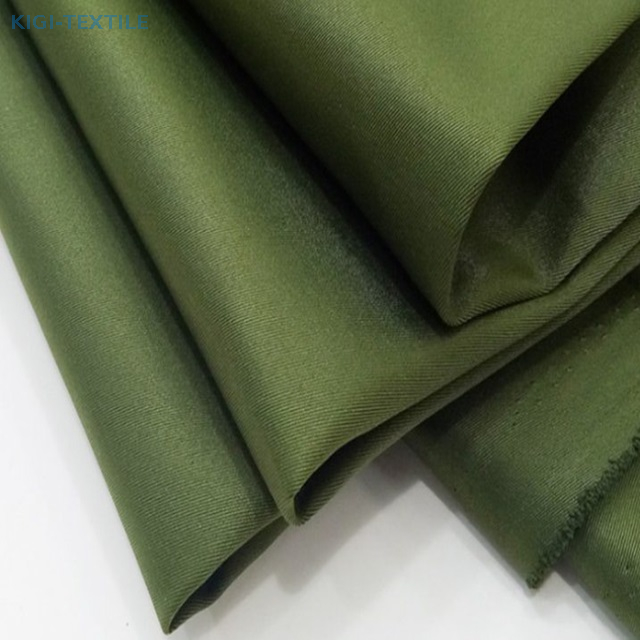
We need objective standards to assess textile quality accurately. Guesswork directly leads to expensive production delays and increased consumer returns. Use this verifiable technical framework to systematically evaluate your advanced material options.
Fabric weight deeply dictates the garment's structural drape and thermal retention properties. We precisely measure this specific metric in Grams per Square Meter (GSM). A distinctly higher GSM yields a much warmer, significantly more rigid garment. Conversely, a lower GSM offers exponentially better breathability and a beautifully fluid drape. Selecting the wrong GSM ultimately ruins the intended visual silhouette and functionality of the overall design.
Here is a proven shortlisting logic based on seasonal garment requirements:
| GSM Range | Garment Application | Primary Performance Benefit |
|---|---|---|
| 90 - 130 GSM | Summer Running Tops, Light Tees | Maximum breathability, exceptional lightweight fluid drape. |
| 140 - 190 GSM | Year-Round Activewear, Base Layers | Optimally balanced thermal retention and everyday durability. |
| 200 - 300+ GSM | Fleece Jackets, Heavy Outerwear | High cold-weather insulation, strong structural garment support. |
Designers must clearly differentiate between inherent structural fiber properties and temporary chemical wicking treatments. Inherent wicking fibers actively move moisture mechanically. Textile engineers strategically alter the yarn's cross-section to create microscopic capillary channels. These permanent channels seamlessly pull sweat directly away from the body. On the other hand, temporary chemical wicking treatments inevitably wash out over time. They merely coat standard circular yarns to superficially mimic advanced capillary action.
Always ask your fabric supplier if the wicking profile is mechanical or chemical.
Request detailed wash-testing lab data up to 50 laundry cycles.
Strictly prioritize mechanical wicking structures for all premium performance tiers.
High-friction sportswear logically demands incredibly robust testing protocols. You should firmly frame your physical testing standards around three key areas to reliably prevent field failures.
First, objectively evaluate abrasion resistance utilizing the industry-standard Martindale test. It precisely measures exactly how much continuous physical rubbing a textile can withstand before pilling or tearing. Second, rigorously assess absolute tear strength. This quantifies the sheer mechanical force required to violently rip the textile apart. High tear strength proves absolutely critical for rugged outerwear routinely exposed to abrasive tree branches or jagged rocks. Finally, definitively test snagging resistance using a standardized mace test. This specifically evaluates how easily sharp environmental objects pull individual woven threads loose. Smooth, highly dense knits typically perform the best during rigorous snag testing.
Pure synthetic yarns sometimes lack the necessary dynamic elasticity. They might also feel too unnatural or uncomfortably slick for certain consumer demographics. Strategic material blends elegantly solve these tactile and functional manufacturing challenges.
Modern compression garments inherently require extreme flexibility and rapid elastic recovery. You must typically include 5-15% elastane (spandex) to achieve an acceptable four-way stretch. This exact engineered blend ensures the finished garment moves fluidly alongside the active wearer. However, adding spandex deliberately introduces highly specific production risk factors. Higher spandex content severely complicates high-heat sublimation printing workflows. Elastane fibers unfortunately melt or degrade at noticeably lower processing temperatures than pure synthetic alternatives.
Furthermore, long-term shape retention also suffers if the blend ratio skews excessively high. The internal elastane eventually degrades due to repeated exposure to human sweat, body oils, and harsh pool chlorine. This inevitable chemical degradation causes the garment to sag prematurely and lose its compressive fit. Always keep your spandex percentages as low as functionally possible to effectively extend the garment's overall lifespan.
Poly-cotton blends consistently offer a highly popular commercial compromise for apparel brands. They effectively balance the inherent moisture retention of natural cotton against the raw, unyielding durability of synthetic fibers. Pure cotton naturally feels incredible against bare skin; unfortunately, it heavily traps sweat during intense physical workouts. Expertly blending the two distinct fibers mitigates this moisture-trapping issue slightly while fully retaining a premium, retail-ready hand-feel.
Follow this proven shortlisting logic: Choose poly-cotton blends specifically for lifestyle activewear or casual athleisure collections. In these specific consumer scenarios, a premium natural hand-feel far outweighs extreme athletic moisture-wicking needs. Versatile gym-to-street apparel benefits immensely from this hybrid material approach. However, beware of increased pilling risks, as the significantly stronger synthetic fibers often pull the weaker natural cotton fibers into unsightly surface knots.
Even the best technical packs will fail entirely if bulk vendor execution falters. Implementing strict compliance checks heavily mitigates sourcing risks and robustly protects your brand reputation.
You must define highly acceptable manufacturing tolerances extremely early in the vendor sourcing process. Establish crystal-clear benchmarks for three critical textile quality areas well before committing to expensive bulk production.
Shrinkage: Strictly specify a maximum acceptable shrinkage rate. Professional performance apparel should generally remain well under a tight 3% shrinkage tolerance.
Colorfastness: Rigorously test color retention against industrial washing, prolonged UV light exposure, and aggressive fabric rubbing (crocking).
Pilling Grades: Uncompromisingly demand a minimum grade of 4 on the standardized ISO textile pilling scale.
Failing to strictly enforce these essential baselines almost guarantees inconsistent batch-to-batch production quality. Your loyal customers will undoubtedly notice if a medium-sized shirt fits drastically differently than a large one due to completely uncontrolled fabric shrinkage.
The global apparel industry continues shifting heavily toward eco-conscious recycled materials. Recycled Polyethylene Terephthalate (rPET) drastically reduces a brand's reliance on virgin petroleum derivatives. However, you must meticulously verify all associated environmental claims. Always require proper, fully updated certifications to proactively prevent accidental corporate greenwashing.
The Global Recycled Standard (GRS) rightfully represents the globally recognized industry benchmark. A valid GRS certificate reliably guarantees complete material traceability throughout the entire manufacturing supply chain. It legally requires specific transaction certificates at every single operational step. This vital documentation confirms you are actually purchasing authentic, sustainable rPET rather than standard virgin yarns being marketed falsely.
Implement a highly disciplined, strategically phased approach to overall material validation. Never rush into massive bulk production immediately based solely on viewing a tiny fabric swatch.
Always request one to three yards for initial pattern strike-offs and physical drape testing.
Conduct rigorous physical wash testing directly in-house to independently verify stated shrinkage rates.
Accurately verify true supplier lead times against their initially stated delivery promises.
Strictly confirm color consistency across multiple different lighting environments (evaluating for metamerism).
This highly disciplined operational workflow prevents incredibly costly mass-production errors. Ultimately, it gives you the necessary empirical data to firmly push back on any vendor inconsistencies.
Successful performance garment development hinges completely on expertly matching specific fabric architecture directly to anticipated physical demands. You must carefully evaluate complex weave structures, precise GSM fabric weights, and highly strategic yarn blends. Overlooking rigorous laboratory durability testing or failing to mandate strict vendor compliance will inevitably derail your entire production timeline. Therefore, always prioritize mechanical wicking technologies and high-density weaves for your premium athletic performance tiers.
Your immediate, actionable next step is formally standardizing your global sourcing workflow. Strongly encourage your internal design and buying teams to demand highly comprehensive technical data sheets (TDS) from all potential suppliers. Always secure and thoroughly test physical sample yardage well before approving any final technical packs. Ultimately, strict physical validation remains your absolute strongest defense against costly prototyping errors and heavily compromised product quality.
A: Oxford fabrics inherently utilize a distinct, highly durable basket-weave structure and notably higher denier yarns. This robust engineering construction creates a much heavier, significantly more durable textile when directly compared to standard plain weaves. Consequently, it offers superior physical abrasion resistance and remarkably high tensile strength. Leading manufacturers specifically choose this heavy-duty material option for rugged outerwear, technical mountaineering backpacks, and highly demanding industrial safety gear.
A: You should focus primarily on high-density woven constructions, such as premium pongee (or high-density polyester plain weave). The extremely dense mechanical weave effectively creates an initial physical barrier against biting cold wind and environmental moisture. Furthermore, you must also ensure the raw material adheres securely and evenly to Durable Water Repellent (DWR) chemical treatments. For extreme, unpredictable outdoor conditions, always physically verify its compatibility with advanced laminated waterproof-breathable membranes.
A: Not at all. Modern textile engineering now easily emulates the exceptionally soft hand-feel of traditional natural fibers. Extruding synthetic yarns into ultrafine, pliable microfibers drastically improves the tactile softness against the wearer's skin. Additionally, advanced mechanical finishing processes, like precision surface brushing, create a very soft, luxurious fleece-like texture. These impressive manufacturing advancements consistently deliver pure cotton-like comfort while seamlessly maintaining critical, athletic moisture-wicking properties.
A: You can easily perform a highly revealing, simple drop test and a basic capillary action assessment in-house. First, carefully place a single drop of room-temperature water directly onto the dry textile surface. Then, time exactly how quickly the fabric absorbs and visibly spreads the moisture. Rapid, exceptionally wide dispersion strongly indicates excellent mechanical wicking capability. Conversely, water persistently beading up on the surface or absorbing exceedingly slowly clearly reveals very poor overall moisture management.


