
- All
- Product Name
- Product Keyword
- Product Model
- Product Summary
- Product Description
- Multi Field Search
Views: 0 Author: Site Editor Publish Time: 04-15-2026 Origin: Site


Modern training wear is expected to do several jobs at once. It needs to move easily, keep its shape, feel supportive, and stay comfortable during sweat-heavy use. That is why Spandex Fabrics hold such an important place in modern sportswear. Their value is not limited to stretch alone. In real sportswear development, they help garments stay functional, supportive, and more comfortable across different activities. KIGI TEXTILE, a mature and efficient fabric supplier founded in 2002, develops practical fabric solutions for activewear, mesh, stretch constructions, and performance-oriented apparel, so the role of spandex is part of what makes modern sportswear perform the way wearers expect.
Spandex is essential in sportswear, but it is rarely used as the only fiber. In most products, it works as the stretch component inside a broader fabric system. That is because sportswear needs more than elasticity. It also needs moisture behavior, durability, opacity, and the right balance between support and comfort.
A sports bra, running top, yoga legging, and training short may all contain spandex, but they cannot all rely on the same overall fabric structure. One needs stronger support. Another needs lighter weight and quicker drying. Another needs better shape retention through repeated movement. Spandex contributes movement and recovery, but the full construction determines how that performance is delivered in actual wear.
The most visible role of spandex in sportswear is movement. Athletic garments are expected to follow the body, not work against it. Whether the wearer is running, stretching, jumping, cycling, or training, the fabric needs to respond quickly and naturally. Spandex helps make that possible.
Range of motion is not just a comfort issue. In sportswear, it is part of performance. A fabric that pulls during a squat, resists extension in a yoga pose, or feels tight across the shoulders during training can interfere with the wearing experience. Spandex helps reduce that problem because it allows the material to bend, extend, and return without losing structure too quickly.
This is especially important in yoga wear, training leggings, fitted tops, running apparel, and studio clothing. These garments are designed to stay responsive during repeated motion. When the material stretches smoothly and returns well, the wearer feels less resistance and more control.
Stretch is only half of the story. Recovery is what keeps sportswear functional after movement happens again and again. A training garment may stretch hundreds of times during regular use. If the fabric extends but does not recover properly, the fit becomes unstable.
Spandex is valuable because it helps garments keep working after repeated motion, workouts, and washing cycles. That is especially important in activewear, where the material is expected to maintain performance beyond the first wear. For buyers and product developers, recovery is one of the strongest reasons to use spandex in sportswear.
It is easy to describe spandex as the fiber that makes sportswear stretchy, but that description is too narrow. In modern sportswear, its role goes further. It helps garments maintain fit, improve support, and create a more stable wearing experience.
Sportswear performs better when it stays where it should. A garment that shifts too much during running, rides up during training, or loses shape after several washes can reduce both comfort and confidence. Spandex helps manage that problem by supporting fit retention.
This matters in leggings, fitted tops, bike shorts, and many supportive training garments. The garment does not need to feel overly tight, but it does need to stay consistent on the body. Customers may not always describe this in technical language, but they do notice when sportswear keeps its shape and when it does not.
In many sportswear categories, some degree of supportive hold adds value. This is not about making medical claims. It is about the practical effect of a fabric that feels secure and controlled during movement. Spandex helps create that result when the overall construction is balanced correctly.
The key is moderation. Too little support can make sportswear feel unstable. Too much can reduce comfort. Spandex helps product developers reach a middle ground where the garment feels active, responsive, and wearable.
Today’s sportswear is not expected to choose between comfort and function. Wearers want both. Spandex matters because it helps sportswear feel less restrictive while still remaining structured enough for active movement.
That balance is one of the reasons spandex continues to be such a core element in sportswear fabric development. It supports mobility, but it also helps the fabric stay organized on the body.
Sportswear category | What the garment needs | How spandex helps |
Yoga / Pilates | Full-body flexibility | Adds smooth stretch and recovery |
Running | Stable fit during repeated motion | Helps garments hold shape |
Gym training | Comfort plus support | Adds movement-friendly elasticity |
Team sports | Active motion and repeated wear | Supports fit retention in blends |
Outer-layer sportswear | Stretch with structure | Works well in softshell or stretch constructions |
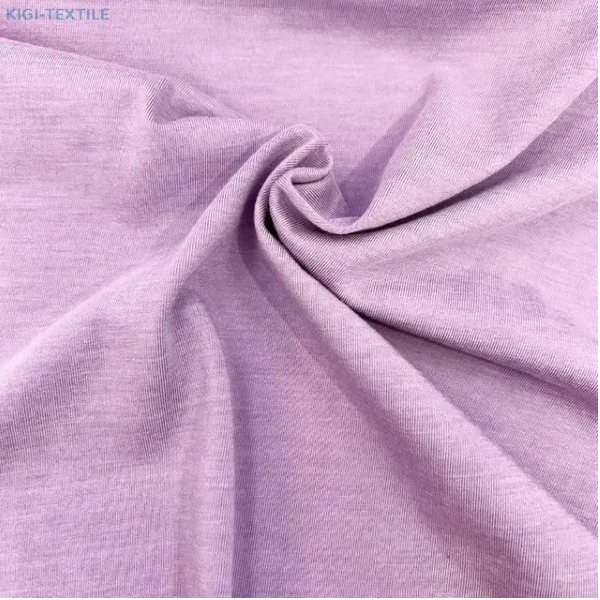
Spandex is powerful, but it does not define sportswear performance by itself. The companion fiber changes how the fabric feels, handles sweat, maintains durability, and fits different product categories.
Nylon-spandex blends are often associated with a smooth hand feel, supportive behavior, and a more body-following fit. This makes them common in leggings, close-fit training apparel, and garments where the wearer expects a cleaner, more controlled feel.
In many sportswear categories, this blend helps create a more premium and supportive wearing experience. That is why nylon spandex is so often linked with products where shape retention and support are key priorities.
Polyester-spandex blends are widely used in sportswear when brands want elasticity together with lighter weight or more performance-oriented moisture behavior. These fabrics are common in training tops, mesh panels, activewear sets, and many categories where quick-drying performance matters.
For many buyers, polyester spandex offers a practical balance. The spandex adds stretch and recovery, while polyester helps shape the fabric’s daily performance profile. For products such as mesh tops, training shirts, and stretch sportswear fabrics, this blend often supports a strong mix of movement and practicality.
One of the most common mistakes in product planning is treating sportswear as if it were one category with one fabric solution. In reality, different activities ask for different kinds of stretch and support.
Yoga and studio wear often need full-body flexibility and smooth recovery. Running and training apparel often need a more stable fit during repeated motion. Team sports usually require fabrics that can handle active movement, repeated wear, and frequent washing while still maintaining fit.
Outer-layer sportswear brings another requirement. In these products, stretch often needs to work together with structure. This is where stretch softshell directions or other more structured sportswear fabrics can become relevant.
This is why the role of spandex in sportswear cannot be reduced to simple elasticity. It supports different garment goals in different ways depending on the sport, the fit target, and the wearing environment.
For buyers, the word spandex should be the starting point, not the final answer. A sportswear fabric should be judged by how it behaves in the real product, not only by whether it contains elastic fiber.
Stretch direction changes how a garment performs. A fabric that stretches mainly one way behaves differently from a fabric that stretches more freely across both directions. Fabric weight also matters. A heavier sportswear fabric may give more support and coverage, while a lighter one may feel more suitable for training tops or mesh panels.
Opacity is another practical issue, especially in close-fit garments. Moisture behavior, surface feel, and recovery after washing also need attention. These details affect whether the fabric suits yoga wear, running apparel, gym training, or team sports uniforms.
The best way to evaluate a sportswear spandex fabric is to match the material to the activity. A buyer should ask how the garment is meant to move, how close the fit should be, how much support is needed, and how the product will be worn over time.
In modern sportswear, spandex fabrics are not the whole story, but they are often the key ingredient that gives garments movement, shape recovery, support, and a more performance-ready fit. Their value becomes clear when sportswear needs to move naturally, stay in place, and remain comfortable through repeated activity. At the same time, the real result always depends on the full fabric system, including blend choice, weight, structure, and the sport itself. KIGI TEXTILE continues to support customers with practical fabric development for training wear, activewear, stretch mesh, and performance-focused apparel. If you are planning a new sportswear line, contact us to explore the right polyester spandex sportswear mesh fabric or other stretch fabric solution for your market.
Spandex is important because it helps sportswear stretch, recover, and move with the body. It supports better fit, shape retention, and wearing comfort during activity.
Usually not. In sportswear, spandex is typically blended with fibers such as polyester or nylon so the fabric can combine elasticity with moisture management, durability, and the right surface feel.
No. Yoga wear, running apparel, gym training products, and team sports garments all need different balances of stretch, support, structure, and durability.
Buyers should check stretch direction, fabric weight, opacity, recovery, moisture behavior, and whether the fabric fits the actual activity it is meant for.


