
- All
- Product Name
- Product Keyword
- Product Model
- Product Summary
- Product Description
- Multi Field Search
Views: 0 Author: Site Editor Publish Time: 04-06-2026 Origin: Site


A product may look simple on the surface, yet the material behind it often decides whether it performs well over time. From rain jackets and outdoor covers to travel bags and medical surfaces, Coated Fabrics are widely used because they give finished products a level of function that ordinary textiles often cannot provide on their own. For buyers, product developers, and brands, that function is what matters most in real use. KIGI TEXTILE, a mature and efficient fabric supplier founded in 2002, has long focused on practical fabric solutions for garments, bags, tents, covers, and other end products where durability and performance make a visible difference.
A base fabric gives structure, weight, texture, and a starting point for product design. A coating changes what that fabric can do in actual conditions. That is the reason coated fabrics are used across so many industries. They are not chosen only for appearance. In many cases, the coating is the part that improves water resistance, surface durability, wind blocking, stain resistance, and cleanability.
This difference becomes obvious once a product enters daily use. A plain textile may look acceptable when it is new, but the surface can wear too quickly, absorb moisture too easily, or become difficult to maintain. A coated fabric is usually selected because the product needs more from the material than basic textile strength.
Most visible wear begins at the surface. Water lands there first. Dirt settles there. Friction from repeated handling happens there. Once a coating is added, the same underlying fabric can perform in a much more useful way. It may shed water more effectively, be easier to wipe clean, or show better resistance to repeated rubbing and folding.
That matters because many commercial products are judged by how they hold up over time, not by how they look on day one. Buyers are often not just sourcing a fabric. They are trying to avoid product complaints, weak wear performance, and short service life. In that sense, a coating is not a small finishing detail. It is part of the product’s practical value.
“Coated fabrics” is a broad category, and that is why application matters so much. A coated taffeta used in rainwear is serving a different purpose from a coated oxford used in luggage. A coated ripstop for tents is different again from a coated technical fabric for wipe-clean medical surfaces.
This is important for article readers because the right question is not simply whether a fabric is coated. The better question is what the final product needs the fabric to achieve. Does it need to resist weather? Does it need better abrasion performance? Does it need easier maintenance? Does it need to keep its shape after repeated use? Once the use case is clear, coated fabrics applications make much more sense.
Transportation-related products face frequent handling, movement, storage pressure, and repeated contact with rough surfaces. That makes them one of the clearest examples of why coated fabrics remain so useful. Products in this category often include cargo covers, travel accessories, utility storage items, luggage-related components, and selected protective uses.
In these cases, a product has to do more than look durable. It has to stay useful after regular contact, pressure, and movement. That is where coated materials can offer a meaningful advantage.
Transportation and travel products are rarely treated gently. They are packed, lifted, dragged, stacked, and exposed to dirt, moisture, and repeated friction. A plain textile may have enough base strength for production, but still fail to provide the surface performance needed in real life.
Coated fabrics help improve the balance between durability, maintainability, and appearance retention. A travel bag made with the right coated construction can resist surface wear more effectively. A cargo cover can stay more reliable through repeated use. A travel accessory can look cleaner and feel more serviceable even after being used in demanding conditions.
This is why coated oxford fabrics and waterproof coated constructions are widely associated with transportation and mobility products. They support a better user experience while also helping product teams create items that look more dependable in the market.
Outdoor products place special demands on fabric because they are exposed to conditions that change quickly. One day the product may be folded and packed. The next day it may be stretched, hung, carried, or exposed to rain and sunlight. That is why outdoor gear remains one of the strongest coated fabrics applications areas.
Tents, rainwear, outdoor furniture covers, hammock tents, and shelter-related products all need fabrics that can go beyond basic textile behavior. In these products, lightweight construction is useful, but it is not enough by itself. The material must also contribute to weather protection and service life.
Outdoor use is never about one challenge only. Rain is the obvious one, but folding, abrasion, UV exposure, wind, and repeated packing also affect how well a product performs over time. A tent fabric has to cope with movement and weather. A cover fabric may need stronger long-term surface protection. A rainwear fabric needs a different balance between weight and performance.
That is why coated taffeta, coated ripstop, coated taslon, and coated oxford are all common choices in outdoor ranges. Each direction serves a different purpose, but all of them reflect the same basic logic: the coating helps the fabric perform in conditions where the base textile alone may not be enough.
KIGI TEXTILE’s coated fabric range fits naturally into this field, especially for jackets, tents, bags, outdoor covers, and raincoat-related products. In outdoor applications, the fabric is not a background material. It is one of the main reasons the product works.
Industry | Typical products | What the fabric must do | Suitable coated fabric direction |
Transportation | Cargo covers, travel accessories | Resist abrasion and frequent handling | PU or PVC coated oxford |
Outdoor gear | Tents, rainwear, hammocks | Resist water and weather | Coated taffeta or ripstop |
Safety wear | Work jackets, protective apparel | Block wind, water, and dirt | PU-coated functional fabric |
Healthcare | Mattress covers, medical surfaces | Be easy to clean and dependable | PU-coated technical fabric |
Bags and luggage | Backpacks, luggage shells, organizers | Hold shape and resist wear | Heavy denier coated oxford |
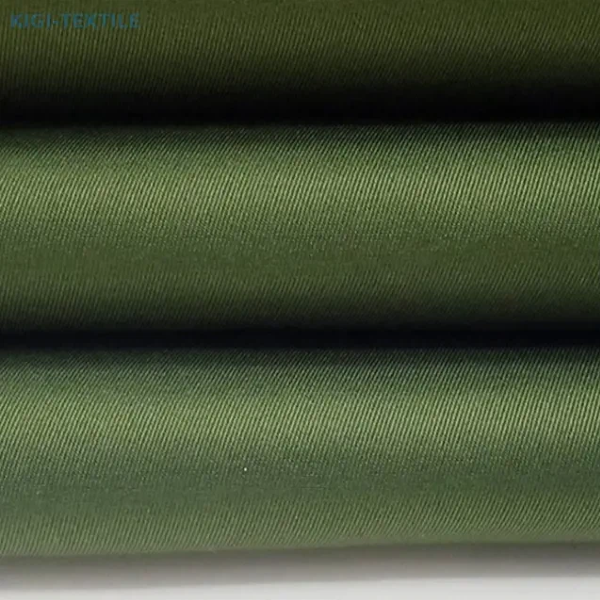
Protective garments are chosen for performance before style. Whether the product is a work jacket, weather-facing outer layer, or safety-related apparel item, the material is expected to hold up in demanding conditions. That makes coated fabrics a practical option in categories where reliability matters every day.
A garment used in a functional environment has to deal with dirt, moisture, repeated use, and often rough handling. It is not enough for the fabric to look solid in a sample room. It needs to keep delivering once the garment is actually worn.
The value of protective wear comes from consistency. If the garment loses its useful surface properties too quickly, its value drops fast. Coated fabrics can help create a more controlled surface response. The material may be better at resisting splashes, blocking wind, or making post-use cleaning easier.
This predictability is also important for product development. Brands and buyers want fabric performance that stays stable across runs, because stable materials support more dependable finished products. In protective applications, consistency is often just as important as strength.
Healthcare-related uses show another side of coated fabric value. Not every fabric challenge is about bad weather or outdoor exposure. In some products, the priority is easier maintenance and more dependable surface behavior. That is why coated fabrics are also relevant in healthcare and hygiene-focused categories.
Products such as mattress covers, selected medical surfaces, and other care-related textile items benefit from materials that can be cleaned more easily and stay serviceable through repeated use. In these situations, the fabric surface itself becomes a key part of product performance.
A fabric in a healthcare or hygiene-related setting often needs to support routine cleaning and practical maintenance. A wipe-clean coated surface helps the product stay presentable and more suitable for regular use. That makes coated materials useful even when the product is not being judged for heavy outdoor durability.
This category is important because it reminds buyers that coated fabrics are not only for rugged gear. They are also for products that require a better-managed surface in more controlled environments. The benefit is different, but the material logic is the same: the coating helps the textile do a more specific job.
Bags and luggage are some of the easiest products for customers to understand, and they are also one of the best examples of why coated fabrics matter. A backpack, duffel bag, organizer, or luggage shell may not seem highly technical at first glance, but the demands on the fabric are very real.
These products are placed on floors, pushed into storage spaces, packed under tension, and used repeatedly in unpredictable conditions. A plain textile may meet basic production needs while still falling short in abrasion resistance, practical water protection, or structure retention. That is why coated fabrics are so often used in this category.
For bags and luggage, the value of a coated fabric goes beyond specifications on paper. It affects how the product feels in use and how long it maintains a quality appearance. A better surface can help the product resist wear, hold shape more effectively, and stay more presentable after repeated handling.
This has a direct commercial effect. Customers may not ask which coating was used, but they do notice when a product looks worn too early or feels less dependable than expected. A coated oxford fabric often helps solve that problem by offering a stronger, more practical surface for heavy-use products. That is one reason coated constructions remain important in backpacks, travel gear, organizers, utility bags, and similar consumer goods.
These five industries rely on coated fabrics for one simple reason: they need textiles that do more than provide a basic structure. They need materials that can protect surfaces, support longer product life, improve maintenance, and perform more reliably in real conditions. From travel products and outdoor gear to safety wear, healthcare items, and luggage, coated fabric solutions continue to shape how modern functional products are made. KIGI TEXTILE applies this material logic across product development for jackets, tents, bags, covers, and more, helping customers build products with clearer value in use. If you are planning your next fabric program, contact us to explore the right PU-coated oxford fabric or other coated solution for your target market.
Coated fabrics are mainly used in products that need better surface performance, such as rainwear, tents, bags, luggage, outdoor covers, protective garments, and selected healthcare-related items.
Outdoor products face rain, sunlight, folding, packing, and repeated use. Coated fabrics help improve weather resistance, surface protection, and overall durability in those conditions.
No. They are also used for abrasion resistance, easier cleaning, wind blocking, better shape retention, and longer service life in many different product categories.
Coated oxford fabric is a common choice for bags and luggage because it offers a stronger surface, good wear resistance, and a more structured feel for heavy-use applications.


