
- All
- Product Name
- Product Keyword
- Product Model
- Product Summary
- Product Description
- Multi Field Search
Views: 0 Author: Site Editor Publish Time: 04-13-2026 Origin: Site


Leggings that move easily, swimwear that stays close to the body, and fitted sportswear that does not feel stiff all point to the same material advantage: Spandex Fabrics. People often notice the comfort first, but the real reason these garments feel better is not softness alone. It is the way the fabric stretches, returns to shape, and follows movement without losing support. KIGI TEXTILE, a mature and efficient fabric supplier founded in 2002, develops practical fabric solutions for sportswear, stretch garments, and other performance-oriented products, so this topic matters not only to end users but also to buyers who want to understand what gives a fabric its real wearing value.
When people describe a garment as stretchy, they usually talk about the wearing experience. That is understandable, but the story begins at the fiber level. Spandex is not simply a fabric style. It is an elastic fiber added to fabric constructions so the finished material can stretch and recover far better than ordinary textiles.
This matters because a garment does not become comfortable only by being soft or thin. It becomes comfortable when the fabric can move with the body and still keep its shape. That is why spandex is so widely used in apparel where movement, fit, and shape retention all matter at the same time.
Spandex is a manufactured elastic fiber known for high stretch. Even a relatively small percentage can change how a fabric behaves. In actual products, spandex is rarely used alone. It is usually blended with fibers such as nylon, polyester, or cotton.
Those companion fibers shape the final fabric’s surface, moisture behavior, weight, and hand feel, while spandex provides the elastic force that makes the fabric feel flexible and body-responsive. This is why spandex fabrics can create very different wearing experiences depending on how they are built.
Stretch alone is not enough to make a garment useful. A fabric that stretches but does not recover soon becomes loose, unstable, and uncomfortable. The reason spandex is so valuable is that it combines stretch with recovery. The fabric can extend during movement and then return close to its original shape once the pressure is gone.
This recovery effect helps leggings keep their fit after exercise, helps swimwear stay supportive, and helps stretch tops avoid looking baggy after repeated wear. Stretch gives movement, but recovery gives control. Together, they create the real performance value of spandex.
Comfort is often discussed as if it comes only from softness, but that is only part of the story. Many fabrics feel soft in the hand, yet still feel restrictive when worn. Spandex changes comfort in a more active way. It improves how the garment responds when the body bends, reaches, twists, or stays active for long periods.
That is why spandex is so common in garments designed for activity, close fit, or repeated movement. The fabric feels more natural because it can respond instead of resisting.
A garment feels more comfortable when it follows movement instead of fighting against it. This is one of the biggest reasons people like spandex fabrics. When a fabric stretches in response to motion, the wearer feels less pulling at the knees, shoulders, waist, or back.
This is especially important in sportswear, fitted tops, leggings, training gear, and swimwear. In these products, comfort depends on movement as much as on surface softness. A fabric that can stretch and return during activity usually feels easier to wear than one that resists motion.
Some buyers assume fitted garments must feel less comfortable than loose ones, but that is not always true. A well-designed spandex fabric can create a closer fit without creating the wrong kind of pressure. Because the material moves with the body, the garment can stay in position more naturally.
That is why many stretch garments feel secure rather than restrictive. The comfort comes from balance. The fabric holds shape, follows movement, and reduces unnecessary shifting.
A garment may feel good at first, but real comfort is judged after repeated wear and washing. This is where shape retention becomes important. Fabrics that hold their structure over time usually continue to feel better because the fit remains more stable.
Spandex supports that stability by helping the fabric spring back after movement. That makes the garment feel more reliable in daily use and improves product quality from the buyer’s point of view.
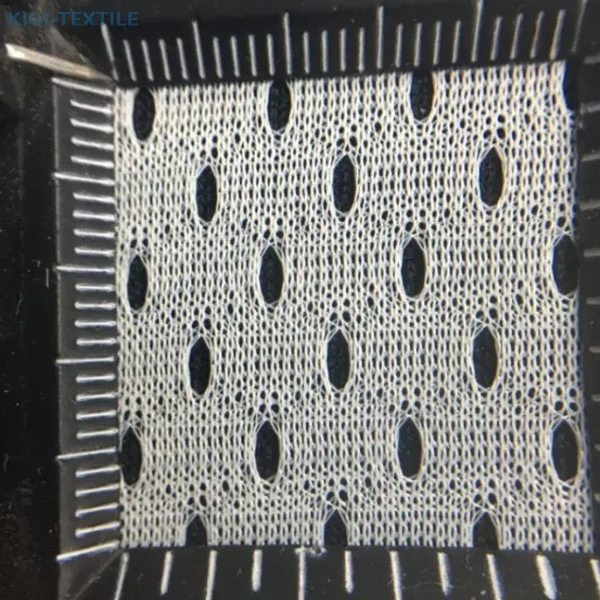
Spandex gives a fabric its elastic power, but it does not work alone. The blend matters because the companion fiber affects how the final fabric feels, how it handles moisture, and what kind of product it suits best.
Two fabrics can both contain spandex and still feel very different. The difference often comes from the partner fiber and the way the fabric is constructed.
Nylon-spandex blends are often linked with a smooth surface, supportive feel, and good resilience. This is one reason they are common in leggings, fitted sportswear, and swimwear. The fabric often feels clean, close, and stable on the body, which helps create a more performance-oriented impression.
In many garments, this blend supports a more polished fit and a stronger sense of hold.
Polyester-spandex fabrics are widely used in activewear, training tops, mesh panels, and many quick-dry categories. In these fabrics, the spandex provides stretch, while polyester strongly influences moisture behavior, drying speed, and day-to-day practicality.
This is why polyester-spandex blends often feel especially suitable for performance clothing. They offer movement-friendly elasticity while also supporting the needs of active use.
Cotton-spandex blends are common in more casual garments where softness and everyday wearability matter more than technical performance. The cotton makes the fabric feel more familiar and relaxed, while the spandex helps it move better and hold shape more effectively than cotton alone.
This blend is often preferred for basics, casual tops, everyday pants, and comfort-led apparel.
Blend type | What it usually feels like | Common use | Main comfort advantage |
Nylon spandex | Smooth, supportive, resilient | Leggings, swimwear, fitted sportswear | Strong stretch and shape retention |
Polyester spandex | Lighter, performance-oriented | Activewear, training tops, mesh panels | Better performance balance |
Cotton spandex | Soft and familiar | Casualwear, basics, comfort apparel | Easy everyday wear |
The blend section matters because it explains why buyers should not expect every spandex fabric to feel the same. The word spandex tells you elasticity is present, but it does not tell the full comfort story.
Spandex is important, but it is not a magic word that guarantees one specific wearing experience. Some spandex fabrics feel soft and light. Others feel supportive and dense. Some feel ideal for workout wear, while others work better for daily basics.
Stretch direction affects how a garment behaves. A 2-way stretch fabric usually stretches more in one main direction, while a 4-way stretch fabric stretches in both width and length more effectively. That changes how the garment feels in motion.
For products that need freer movement in many directions, such as leggings, fitted sportswear, and some swimwear styles, 4-way stretch often creates a more fluid wearing experience. In other products, 2-way stretch may be enough.
It is easy to assume that more spandex must mean a better fabric, but that is not always true. Too much stretch can create a garment that feels overly tight, unstable, or less suitable for the intended use. In some products, too much compression can work against comfort rather than improve it.
The right balance depends on the garment purpose. Comfort comes from proportion, not from chasing the highest possible elasticity.
Spandex contributes elasticity, but breathability depends on more than the stretch fiber. Knit structure, fabric weight, surface density, and the companion fiber all affect how breathable the material feels. That is why one spandex garment may feel cool and easy to wear, while another feels warmer and more compact.
This point is important for product education. Buyers should not ask only whether a fabric contains spandex. They should ask what kind of spandex blend it is, how the fabric is built, and what kind of wear experience the final product is supposed to deliver.
Spandex fabrics feel stretchy and comfortable because they combine elastic movement, strong recovery, and a closer response to the body than ordinary fabrics can offer. But the final experience always depends on more than the word spandex alone. Blend choice, stretch direction, fabric weight, and garment purpose all shape how the material performs in real wear. KIGI TEXTILE continues to support customers with practical fabric development for activewear, stretch garments, and performance-oriented products, helping buyers connect material features with actual comfort value. If you are planning your next apparel program, contact us to explore the right polyester spandex mesh fabric or other stretch fabric solution for your market.
Spandex fabrics are stretchy because they contain elastic fiber that can extend far more than ordinary fibers and then return toward its original shape after movement.
They often feel comfortable because they move with the body, reduce restriction, and help garments keep a stable fit during wear.
No. The final feel depends on the blend, fabric structure, stretch direction, weight, and intended use. Nylon spandex, polyester spandex, and cotton spandex can feel very different.
Not always. Too much stretch or the wrong level of compression can reduce comfort. The best result comes from matching the fabric balance to the garment purpose.


