
- All
- Product Name
- Product Keyword
- Product Model
- Product Summary
- Product Description
- Multi Field Search
Views: 0 Author: Site Editor Publish Time: 10-21-2025 Origin: Site


Have you ever wondered why some fabrics stay fresh longer than others? Antibacterial fabrics are designed to combat bacteria, keeping textiles cleaner and more hygienic. In this post, you'll learn about the importance of hygiene in textiles and how antibacterial fabrics differ from regular ones. We'll explore their unique benefits and applications, helping you make informed choices for your fabric needs.

Antibacterial fabrics are textiles designed to stop or slow the growth of bacteria and other harmful microbes on their surfaces. They help keep fabrics cleaner and fresher longer, reducing odors and the risk of infections. These fabrics serve an important role in environments where hygiene is critical, such as hospitals, sportswear, and everyday clothing.
These fabrics work by either embedding antimicrobial agents into the fibers or applying antimicrobial coatings on the fabric surface. The agents interfere with bacteria's ability to grow and multiply. For example, silver ions are a common antimicrobial agent; they disrupt bacteria's cell functions, preventing them from thriving on the fabric. This action helps reduce odors caused by bacteria and keeps textiles hygienic for longer.
The antimicrobial protection can be either:
● Integrated into fibers during manufacturing, making it long-lasting and resistant to washing.
● Applied as a surface coating, which forms a barrier against microbes but may wear off faster.
Some antibacterial fabrics also use natural substances like chitosan (from shellfish) or bamboo extracts, which have antimicrobial properties without synthetic chemicals.
There are several types of antibacterial fabrics based on how the antimicrobial effect is achieved:
● Fabrics with Antimicrobial Agents in Fibers: The antimicrobial substances are mixed into the fibers during production, ensuring continuous protection throughout the fabric’s life.
● Fabrics with Antimicrobial Coatings: These have a protective layer applied on the surface, which kills or inhibits microbes on contact.
● Specialty Yarns: Some yarns are made from materials with natural antimicrobial properties, like copper-infused or bamboo-based yarns.
● Chitosan-Based Fabrics: Treated with chitosan, these fabrics reduce bacteria and odors naturally.
● Nonleaching Antimicrobial Textiles: Use metal-based nanoparticles or grafted compounds that provide sustained antimicrobial effects without releasing chemicals into the environment.
Each type offers unique benefits and is chosen based on the intended use, durability, and environmental considerations.
Note: Embedding antimicrobial agents directly into fibers during manufacturing ensures longer-lasting protection than surface coatings, which may wear off after repeated washing.
Regular fabrics are the traditional textiles widely used in apparel, upholstery, and home textiles. They include:
● Cotton: Soft, breathable, and highly absorbent, cotton is popular for clothing and home textiles. However, it lacks natural antimicrobial properties.
● Polyester: A synthetic fabric known for durability and moisture resistance. It does not inherently resist bacteria or odors.
● Wool: Naturally moisture-wicking and somewhat resistant to bacteria, but can be itchy and requires special care.
● Linen: Made from flax fibers, linen is breathable and dries quickly but lacks antibacterial treatment unless specially processed.
● Silk: Smooth and luxurious, silk resists some microbial growth but is delicate and costly.
● Blended Fabrics: Combinations like cotton-polyester blends aim to balance comfort and durability but still lack built-in antimicrobial protection.
These fabrics serve well in many applications but generally do not prevent microbial growth or odor formation without additional treatments.
Regular fabrics have several hygiene and maintenance challenges:
● Bacterial Growth: They provide an environment where bacteria, mold, and mildew can thrive, especially when damp or exposed to sweat.
● Odor Retention: Bacteria breaking down sweat cause unpleasant smells, which regular fabrics cannot inhibit.
● Frequent Washing Needed: To maintain cleanliness and freshness, regular fabrics require frequent washing, leading to higher water and energy use.
● Wear and Tear: Frequent laundering accelerates fabric degradation, reducing lifespan.
● Stain Susceptibility: Microbial stains and odors can be hard to remove completely.
● Allergen Accumulation: Dust mites and allergens may accumulate more readily, affecting sensitive individuals.
These issues make regular fabrics less suitable for environments demanding high hygiene, such as healthcare or activewear.
Regular fabrics also have environmental drawbacks:
● Resource Intensive: Cotton farming uses large amounts of water, pesticides, and land, impacting ecosystems.
● Synthetic Pollution: Polyester and other synthetics shed microplastics during washing, polluting waterways.
● Shorter Product Life: Frequent washing and wear cause faster replacement cycles, increasing textile waste.
● Chemical Use: Conventional dyeing and finishing processes often involve harmful chemicals and generate waste.
● Energy Consumption: High laundering frequency consumes significant energy and water resources.
These impacts highlight the need for more sustainable textile solutions, including fabrics with built-in antimicrobial properties that reduce washing frequency and extend product life.
Tip: When selecting regular fabrics for hygiene-sensitive applications, consider combining them with antimicrobial finishes or treatments to improve cleanliness and durability while reducing environmental impact.
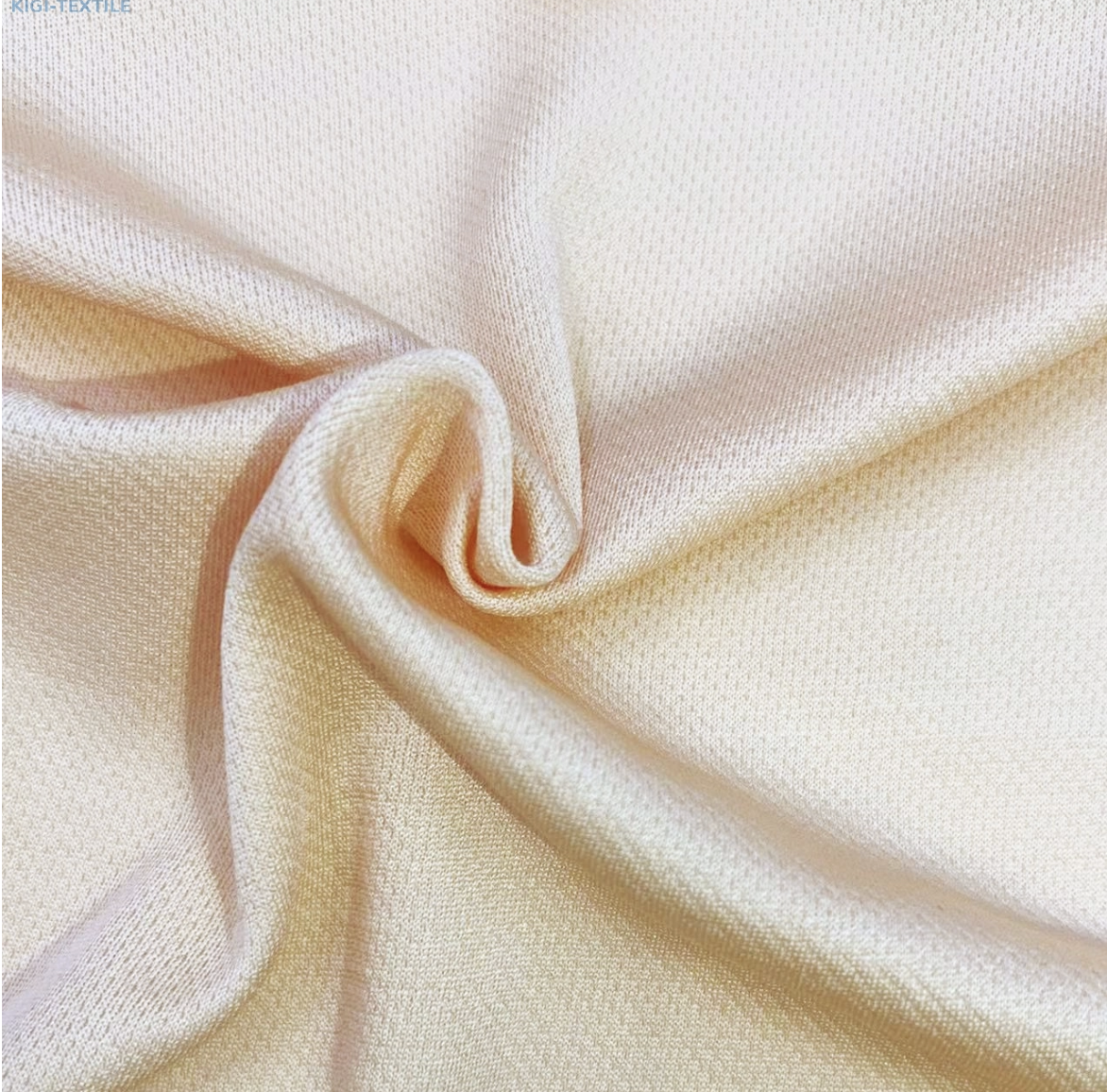
Antibacterial fabrics actively stop bacteria and other microbes from growing on their surface. This means they keep fabrics cleaner and reduce the risk of infections. Because bacteria cause unpleasant odors by breaking down sweat, these fabrics help prevent bad smells before they start. For example, fabrics treated with silver ions or chitosan block bacteria, keeping clothes and textiles fresh longer. This microbial defense is especially useful in sportswear, medical uniforms, and home textiles where hygiene matters most.
Thanks to their ability to prevent bacterial growth, antibacterial fabrics stay fresh for longer periods. This means you don’t need to wash them as often compared to regular fabrics. Fewer washes save water, energy, and reduce wear and tear on the fabric. For instance, antibacterial towels or bed linens can be used multiple times before washing, making them more convenient and eco-friendly. This extended freshness also helps reduce the buildup of “permastink,” a stubborn odor that regular fabrics sometimes develop after repeated use.
Antibacterial fabrics often last longer than regular fabrics because they resist damage caused by microbes. Bacteria and fungi can break down fibers over time, causing fabric to weaken and degrade. By stopping this microbial attack, antibacterial textiles maintain their strength and appearance. Additionally, since they require less frequent washing, these fabrics avoid the wear caused by harsh laundering. This durability makes antibacterial fabrics a smart choice for activewear, healthcare uniforms, and upholstery that face heavy use.
Tip: Choose antibacterial fabrics embedded with antimicrobial agents during manufacturing for longer-lasting freshness and durability, especially for products needing frequent use and washing.
Antibacterial fabrics outperform regular fabrics in environments where hygiene is crucial. In healthcare settings, antibacterial textiles reduce the risk of infections by limiting bacterial growth on surfaces like uniforms and bed linens. Regular fabrics lack this protection, requiring more frequent washing and sanitizing to maintain cleanliness.
In sports and activewear, antibacterial fabrics control odor caused by sweat and bacteria, keeping garments fresher during intense physical activity. Regular fabrics tend to trap odors, leading to unpleasant smells and discomfort.
At home, antibacterial upholstery and curtains resist mold and mildew better than regular textiles, which can harbor microbes in damp conditions. This makes antibacterial fabrics ideal for high-moisture areas like bathrooms or kitchens.
Antibacterial fabrics usually cost more upfront than regular fabrics due to their specialized treatments or embedded antimicrobial agents. However, this initial investment can save money long-term by reducing washing frequency and extending fabric lifespan.
Availability of antibacterial textiles has increased as demand grows. Many manufacturers now offer antibacterial options in cotton, polyester, and blends, making them accessible for various applications. Regular fabrics remain more widely available and often cheaper but lack the added benefits of microbial protection.
Consumers increasingly value hygiene, odor control, and sustainability in textiles. Antibacterial fabrics meet these needs by offering freshness, durability, and reduced environmental impact through less frequent washing.
In fashion and lifestyle sectors, brands integrate antibacterial technology to appeal to health-conscious buyers. Sportswear companies emphasize odor control and performance benefits, while healthcare providers prioritize infection prevention.
Conversely, some consumers still prefer regular fabrics for their natural feel and lower cost. However, the trend favors antibacterial textiles as awareness of their benefits grows.
Tip: When selecting fabrics, consider the environment and usage to balance cost, hygiene needs, and durability—antibacterial fabrics excel in high-use, hygiene-sensitive settings, while regular fabrics suit low-risk applications.
Antibacterial fabrics have become essential across many industries due to their ability to inhibit microbial growth, control odors, and maintain hygiene. Their unique properties make them ideal for settings where cleanliness and freshness are critical.
In healthcare, antibacterial fabrics play a vital role in infection control. Hospitals and clinics use these textiles for:
● Medical uniforms and scrubs: Protect staff from bacteria, reducing cross-contamination.
● Patient gowns and bedding: Lower risk of infections spreading through contact.
● Privacy curtains and upholstery: Prevent microbial buildup in high-touch areas.
These fabrics help maintain sterile environments, supporting patient safety and staff health. The durability of embedded antimicrobial agents ensures protection lasts through frequent laundering, vital in healthcare settings.
Athletes and fitness enthusiasts benefit greatly from antibacterial fabrics. These textiles:
● Control odor by stopping bacteria growth caused by sweat.
● Keep garments fresher longer, reducing wash frequency.
● Enhance comfort by managing moisture and preventing skin irritation.
Brands integrate antibacterial technology into base layers, socks, and outerwear, helping users stay fresh during intense workouts. This reduces "permastink," a persistent odor common in synthetic sportswear. The reduced washing also extends garment life, saving consumers money and environmental resources.
Antibacterial fabrics improve hygiene and freshness in homes and hospitality environments. Common applications include:
● Bedding and towels: Resist bacteria and mildew, keeping linens fresh.
● Upholstery and curtains: Prevent microbial stains and odors in living spaces.
● Hotel textiles: Enhance guest experience by maintaining cleanliness and reducing laundry loads.
These fabrics help busy households and hotels maintain a cleaner, healthier environment while reducing water and energy use. Antibacterial treatments embedded in textiles ensure long-lasting protection without frequent reapplication.
Tip: For businesses in healthcare, sports, or hospitality, selecting antibacterial fabrics embedded during manufacturing ensures durable, long-term microbial protection that withstands heavy use and frequent washing.
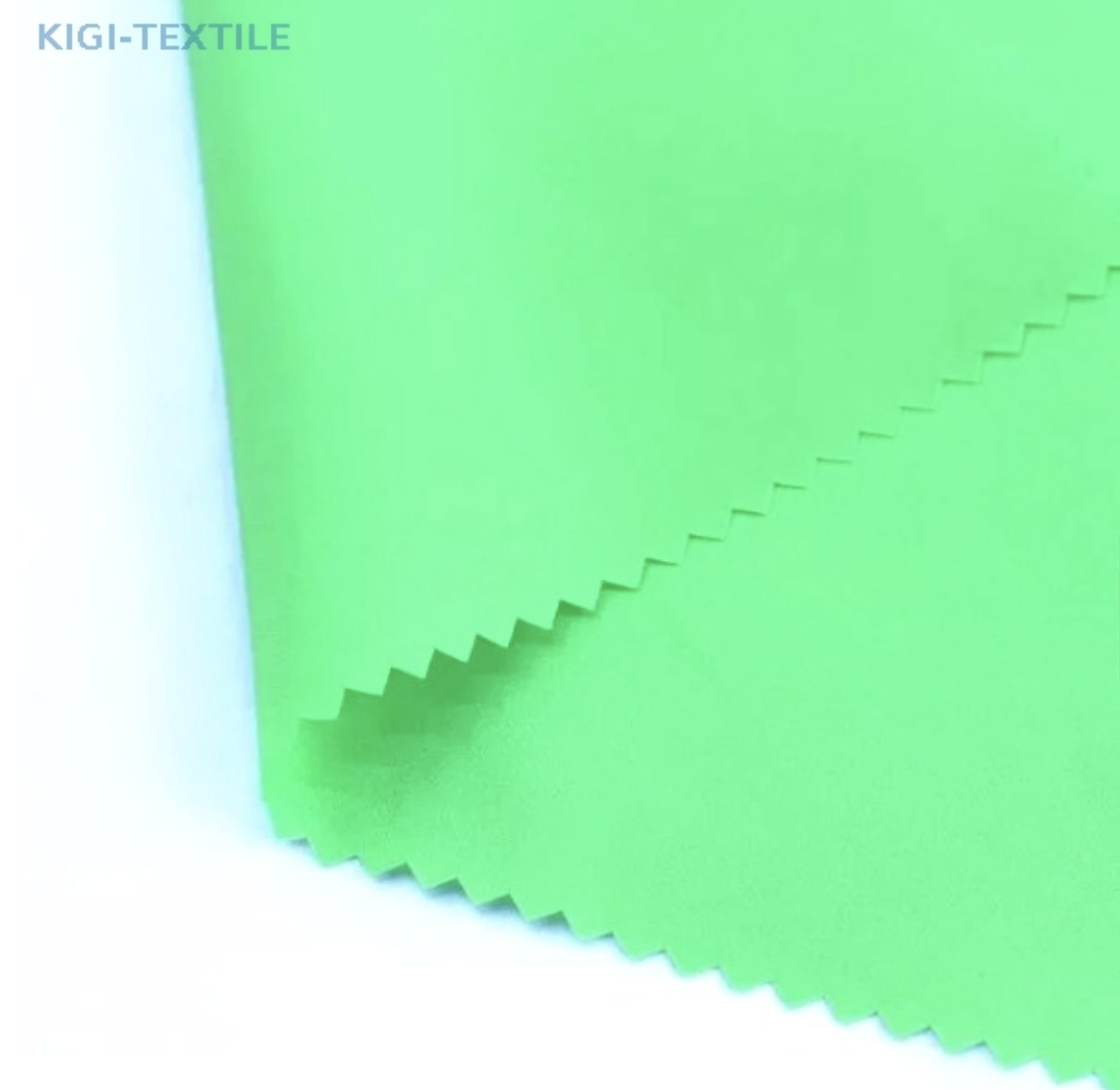
Antibacterial fabrics often use advanced, eco-conscious manufacturing methods. Unlike some traditional fabric treatments, antimicrobial agents are frequently embedded during production rather than applied later as coatings. This reduces extra water, energy, and chemical use. For example, technologies like Polygiene StayFresh integrate silver ions directly into fibers during finishing, requiring no additional washing or energy-intensive steps. This approach minimizes environmental footprint, avoiding harmful chemical runoff and lowering resource consumption.
Some manufacturers also comply with strict environmental standards such as bluesign®, Oeko-Tex® Eco Passport, and REACH regulations. These certifications ensure responsible chemical use, worker safety, and reduced emissions. Choosing antibacterial textiles made under such guidelines supports sustainable production and helps brands meet eco-friendly goals.
Antibacterial fabrics last longer than regular textiles. By preventing microbial damage, they maintain strength and appearance over time. Bacteria and fungi can degrade fibers, causing wear and tear. Antimicrobial protection slows this process, extending fabric life.
Additionally, these fabrics require less frequent washing because they resist odors and stains better. This reduces water and energy use, lowering environmental impact further. Less washing also means less mechanical stress on fibers, preventing premature fabric breakdown.
Extended product life means consumers replace textiles less often, reducing textile waste in landfills. By moving from fast-consumption to durable goods, antibacterial fabrics contribute to circular economy principles and waste reduction.
Many antibacterial fabric producers pursue sustainability certifications to validate their environmental claims. Common credentials include:
● bluesign®: Ensures safe, sustainable textile production by controlling chemicals, emissions, and resource use.
● Oeko-Tex® Eco Passport: Verifies safe chemicals and materials for textile manufacturing.
● REACH Compliance: European Union regulation controlling hazardous substances in products.
● Global Organic Textile Standard (GOTS): Applies when antibacterial finishes combine with organic fibers.
● Cradle to Cradle® Certification: Assesses product safety, recyclability, and environmental impact.
These certifications help buyers identify fabrics produced responsibly and support corporate sustainability commitments. They also assure consumers about safety and eco-friendliness.
Tip: Select antibacterial fabrics certified by recognized sustainability standards like bluesign® or Oeko-Tex® to ensure eco-friendly production and help meet your company’s environmental goals.
Antibacterial fabrics, unlike regular textiles, offer superior hygiene by inhibiting microbial growth and controlling odors. As demand for cleaner, more sustainable textiles grows, the future of antibacterial fabrics in the industry looks promising. Choosing the right fabric depends on the application, with antibacterial options excelling in high-use, hygiene-sensitive environments. Companies like Shanghai kigi textile provide innovative antibacterial solutions, enhancing textile longevity and reducing environmental impacts. Their products deliver significant value, making them a smart choice for various applications.
A: Antibacterial Fabrics are textiles designed to inhibit the growth of bacteria and microbes, keeping them cleaner and fresher for longer periods, and reducing odors and infection risks.
A: Antibacterial Fabrics work by embedding antimicrobial agents into fibers or applying coatings on surfaces, preventing bacteria from growing and multiplying.
A: Antibacterial Fabrics offer extended freshness, reduced washing frequency, and enhanced durability, making them ideal for hygiene-sensitive environments.
A: Yes, Antibacterial Fabrics typically cost more upfront due to specialized treatments, but they can save money by reducing washing needs and extending fabric lifespan.


