
- All
- Product Name
- Product Keyword
- Product Model
- Product Summary
- Product Description
- Multi Field Search
Views: 0 Author: Site Editor Publish Time: 08-03-2026 Origin: Site


Product developers face a constant struggle when designing outdoor gear. They must balance extreme weather resistance against long-term durability. They also need to maintain realistic production costs. Modern performance wear no longer relies on basic textiles. Instead, it utilizes engineered synthetics. These function as highly technical, treatment-ready substrates. You need reliable materials to build gear surviving harsh alpine storms or dense brush. Substandard materials lead to field failures and dissatisfied customers.
This article provides a transparent, criteria-driven framework. We will help you evaluate and source the right materials for demanding outdoor applications. You will learn how weave density affects abrasion resistance. We will explore how modern coatings interact with synthetic fibers. Understanding these engineering principles ensures your apparel lines perform exactly as intended. You can confidently select the optimal substrates for your next product line.
Hydrophobic by Design: Base polyester inherently resists moisture absorption, making it the optimal substrate for advanced waterproofing treatments.
Structural Versatility: Weave density and construction (e.g., Oxford weaves) dictate the fabric's abrasion resistance and suitability for high-wear zones.
Treatment Dependency: Raw polyester requires specific DWR coatings or laminations to achieve true outdoor weatherproofing.
Sourcing Trade-offs: Selecting the right polyester involves balancing denier strength against breathability and tactile comfort.
Product engineers must establish a baseline for durability. We evaluate the strength-to-weight ratio carefully. Natural fibers fail quickly in harsh conditions. Nylon offers high raw strength pound-for-pound. However, Polyester Fabric provides a superior balance of durability and structural stability. Nylon stretches and sags when wet. Polyester retains its original shape perfectly. This dimensional stability proves vital for fitted outdoor apparel. You do not want heavy rain warping a carefully tailored hardshell. We highly recommend using polyester when weight and wet-weather stability must coexist.
Moisture management defines outdoor performance. Base polyester is inherently hydrophobic. It features a remarkably low moisture regain rate. The fibers absorb merely 0.4% of their own weight in water. This chemical reality accelerates drying times drastically in field conditions. A soaked garment drains and dries rapidly. Body heat alone can often dry a thin polyester shell. This rapid evaporation prevents dangerous heat loss in cold environments. Hikers and climbers rely on this rapid drying capability for survival.
Extended sun exposure destroys many synthetic materials. UV radiation breaks down polymer chains over time. This degrades tear strength and causes severe fading. Polyester boasts excellent structural resistance to prolonged sun exposure. It outperforms nylon significantly in this category. This makes it crucial for marine environments and high-altitude outdoor gear. Bright safety colors remain vivid season after season. You reduce the risk of structural blowouts from sun-rotted shoulders or hoods. Best practice involves specifying UV-stabilized yarns for extreme altitude applications.
Modern apparel manufacturing requires intense heat. Thermal stability determines how well a fabric handles factory processes. Polyester tolerates high temperatures beautifully. It melts around 250°C. This high threshold accommodates vital manufacturing techniques. Factories can apply heat-setting to lock in weave structures. Sublimation printing requires intense heat to transfer dyes permanently. Seam-sealing tape relies on hot-air welding to bond securely. A thermally stable substrate ensures these processes do not shrink or warp the final garment.
The Oxford construct utilizes a specific basket-weave structure. Multiple weft threads cross over an equal number of warp threads. They interlace in pairs rather than single strands. This geometry provides drastically enhanced tear strength. It stops small punctures from becoming massive rips. The resulting textile delivers a heavier, more structured hand-feel. It lacks the fluid drape of a plain weave. However, it gains substantial ruggedness. You can easily recognize it by its subtle checkerboard texture.
You must map weaves to their optimal use cases. Plain weaves suit ultralight windbreakers. Oxford weaves dominate heavy-duty applications. Designers place them strategically in high-wear zones. You will find them on backpack paneling and base sections. They serve as reinforced knee and elbow zones on workwear. Heavy-duty parkas utilize them for maximum exterior protection. These areas endure constant friction against rocks, ice, and gear. A sturdy basket weave absorbs this abuse gracefully.
Denier measures the linear mass density of fibers. It dictates the weight and thickness of the yarn. You must establish logical shortlisting criteria for denier counts. A 210D rating works well for lightweight rainflys and pack covers. It balances strength with low weight. A robust polyester oxford fabric typically hits the 600D mark. You specify this heavy denier based on expected abrasion exposure. Mountaineering gear demands higher deniers. Trail running gear requires much lower deniers. Always match the yarn thickness to the specific environmental threat.
Heavier weaves cost more to manufacture. Dense yarns require more raw material. Basket weaves take longer to loom. You must weigh these manufacturing costs against the expected product lifespan. A cheap plain weave fails quickly in rugged terrain. This leads to frustrated customers and increased warranty claims. Investing in a durable weave prevents these premature failures. A common mistake is using lightweight materials in high-friction zones to save pennies. We advise prioritizing fabric strength in critical areas to ensure brand reputation remains intact.
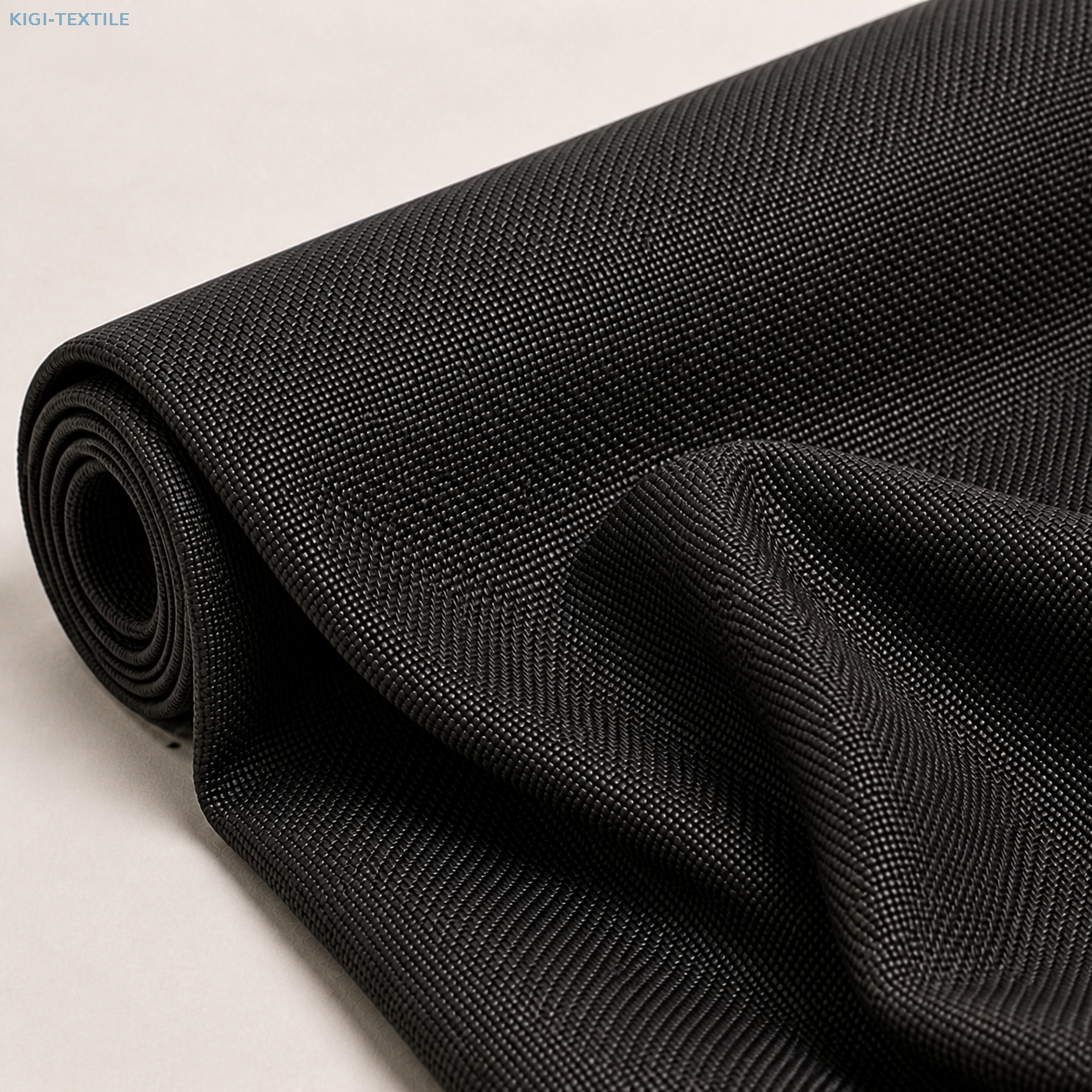
Raw synthetic weaves cannot stop heavy rain alone. They require a chemical barrier. We analyze how surface tension interacts with DWR treatments. DWR causes water to bead up and roll off. The industry is rapidly shifting toward fluorocarbon-free (PFC-free) DWR treatments. These eco-friendly options change the surface energy of the textile. Polyester accepts these treatments exceptionally well. The tight molecular structure allows the chemical finish to bond securely. This prevents the fabric face from "wetting out" during sudden downpours.
True waterproofing requires a solid physical barrier. Factories apply Polyurethane (PU) or Thermoplastic Polyurethane (TPU) membranes. You must establish strict criteria for bonding these waterproof/breathable membranes. The goal is fusing the layers securely. However, you cannot compromise the garment's drape. A stiff, crinkly jacket restricts movement. An expertly engineered polyester jacket fabric maintains flexibility after lamination. We test the peel strength rigorously. The membrane must never delaminate or bubble under heavy flexing.
Needles punch thousands of holes into the fabric during assembly. Water will leak through these stitch points immediately. You must evaluate the fabric's compatibility with factory seam-taping processes. Hot-air machines press waterproof tape over every interior seam. The tape adhesive must melt and fuse with the inner laminate perfectly. Polyester handles the high heat of seam sealing without distorting. A common mistake is using incorrect tape widths. We recommend a minimum 22mm tape width for critical high-stress junctions.
You must address the common failure points of chemical coatings. No weatherproofing lasts forever. Physical abrasion degrades the DWR finish over time. Backpack straps rub the coating off shoulders. Repeated machine washing strips the chemicals away. Dirt and body oils mask the water-repellent properties. You should educate end-users on proper maintenance. They must wash and tumble-dry their gear to reactivate the DWR. Transparently communicating these implementation risks builds trust and extends garment longevity.
Synthetic plastics inherently block airflow. They lack natural vapor transmission capabilities. A fully coated jacket traps sweat quickly. You must address this critical breathability constraint. We recommend relying heavily on mechanical venting. Do not trust the membrane to do all the work. Incorporate long pit zips under the arms. Add laser-cut perforations in low-exposure areas like the collar. Two-way front zippers allow dynamic temperature regulation. These mechanical solutions dump heat instantly during high-output alpine ascents.
High-denier synthetic textiles often feel rigid. They carry a distinct, plastic-like texture. This ruins next-to-skin comfort. Engineers discuss various mechanical processing techniques to fix this. Factories run the yarn through air-jet texturizing machines. This creates tiny loops in the smooth filaments. They can also brush the fabric face mechanically. This softens the rigid surface significantly. The resulting material mimics the soft hand-feel of natural cotton. You achieve rugged durability without sacrificing daily wearing comfort.
We must transparently outline a major chemical drawback. Polyester is highly oleophilic. It actively attracts and traps body oils. These oils harbor odor-causing bacteria. The garment retains awful smells even after normal washing. It also generates severe static electricity in dry cold environments. You can evaluate anti-microbial finish options to solve this. Silver-ion treatments inhibit bacterial growth effectively. Anti-static chemical washes reduce cling and sparking. Implementing these secondary finishes elevates premium outdoor gear above budget alternatives.
The outdoor industry faces immense pressure to reduce fossil fuel dependency. Brands are switching from virgin polymers to rPET (recycled polyester). You must assess the viability of this transition. Recycled plastic bottles are shredded, melted, and spun into new yarn. The performance parity is excellent. Tensile strength remains nearly identical to virgin material. Sourcing premium polyester fabrics made from rPET satisfies eco-conscious consumers. It carries slightly higher cost implications initially. However, long-term brand equity improvements justify the investment.
You cannot rely on a supplier's marketing claims. You must define necessary ISO and ASTM testing standards. Rigorous lab testing separates high-performance textiles from cheap imitations. We recommend demanding official test reports before any bulk order. Require specific performance minimums for abrasion, tear strength, and water resistance.
Recommended Quality Testing Standards
| Performance Metric | Global Standard Method | Acceptable Target Rating |
|---|---|---|
| Abrasion Resistance | ASTM D4966 (Martindale Test) | > 20,000 Cycles |
| Tear Strength | ASTM D1424 (Elmendorf Test) | > 15 lbs (depending on denier) |
| Hydrostatic Head (Waterproofing) | ISO 811 / JIS L 1092 | > 10,000 mm column |
| Colorfastness to Light | AATCC 16 | Grade 4.0 or higher |
Safety and environmental regulations grow stricter every year. You must establish strict shortlisting criteria for mills. Require verified environmental and safety standards. The OEKO-TEX Standard 100 guarantees the material contains no harmful substances. It ensures safety for human wear. The Bluesign system tracks the entire supply chain. It eliminates toxic chemicals from the very beginning of the manufacturing process. Working exclusively with certified mills protects your brand from liability and environmental scandals.
A successful prototype means nothing if mass production fails. You must evaluate a mill’s capacity. They must maintain consistent dye lots across thousands of yards. Color matching is notoriously difficult in synthetics. They also need perfect coating application consistency. A poorly calibrated lamination machine creates bubbling across whole rolls. Ask for their monthly capacity limits. Check their quality control reject rates. A reliable partner scales up smoothly without dropping their technical standards.
The right material selection depends entirely on the specific end-use. You must categorize your products carefully. A high-abrasion winter shell requires a heavy, laminated basket weave. Conversely, a lightweight activewear piece demands a thin, highly breathable plain weave. Balance the denier against the required mobility. Weigh the necessity of expensive PU membranes against the reality of the user's environment. Apply treatments thoughtfully to maximize weatherproofing without suffocating the wearer.
Stop guessing with your fabric choices. Your next action should be aggressive material vetting. Contact certified suppliers and request detailed technical data sheets (TDS) for their textiles. Ask for physical swatches to evaluate the hand-feel and drape. Once shortlisted, order small-batch yardage. Build functional prototypes and subject them to brutal field testing. Only commit to bulk manufacturing after the fabric survives your rigorous real-world trials.
A: Polyester provides superior UV resistance and better dimensional stability when wet. It will not sag under heavy rain. It also typically features a lower raw material cost. Nylon contrasts this by offering slightly higher raw abrasion resistance and better natural elasticity. Designers prefer polyester for waterproof hardshells where shape retention is critical.
A: No. While the dense basket weave is highly water-resistant and blocks wind effectively, it is not waterproof. It requires a chemical PU backing or a laminated membrane on the inside. It also needs a DWR face coating on the outside to achieve true outdoor waterproofing.
A: A standard baseline range spans from 75D to 150D for main shell bodies. This balances moderate weight with excellent weather protection. For high-wear reinforcements like shoulders and cuffs, you should utilize heavier 300D to 600D yarns. This hybrid approach optimizes both mobility and long-term durability.
A: Yes. Recycled options (rPET) confirm performance parity in tensile strength, abrasion resistance, and durability. The polymer chains behave identically once processed. However, you might encounter minor limitations in achieving perfectly bright, consistent colorways due to the varied nature of the recycled base plastic.


