
- All
- Product Name
- Product Keyword
- Product Model
- Product Summary
- Product Description
- Multi Field Search
Views: 0 Author: Site Editor Publish Time: 08-08-2026 Origin: Site


Untreated synthetic materials offer excellent base durability. However, they often struggle against harsh outdoor climates. Manufacturers quickly discover moisture penetration ruins unprotected textiles. Specifying the exact chemical treatment solves these critical performance gaps. Choosing an inadequate barrier leads directly to product failures. Customers inevitably return saturated gear. Conversely, over-engineering destroys your profit margins. It also severely compromises essential garment breathability. Striking the perfect balance requires deep technical knowledge. You must understand both base substrates and applied barrier technologies.
This guide breaks down exact chemical finishes. We explore the laminates required to elevate standard textiles. You will learn how to evaluate various barrier options. We rank them on durability, regulatory compliance, and cost-to-performance ratios. We cover everything from basic water repellents to advanced breathable films. You will discover how to match specific treatments to your end-use case. Ultimately, this framework helps you make highly informed sourcing decisions.
Coatings vs. Laminates: Liquid coatings (PU, PVC) are cost-effective for static outdoor gear, while film laminates (TPU) offer the necessary breathability for high-performance apparel.
Compliance Shift: The industry standard for Durable Water Repellent (DWR) is rapidly shifting to PFAS-free or C0-free DWR formulations due to strict PFAS regulations. (Note: 'C0' refers to legacy control codes, not the actual chemical composition).
Substrate Matters: A finish is only as strong as its base; combining a high-denier polyester oxford fabric with the right coating yields exponentially higher tear and weather resistance than treating a low-denier weave.
Objective Testing: Weather resistance should always be verified against standard testing metrics like the Hydrostatic Head (HH) test and AATCC UV degradation standards.
Synthetic fibers naturally resist moisture absorption. Their inherent cellular structure repels liquid on a microscopic level. However, woven gaps in untreated polyester fabrics allow water and wind to penetrate easily. Structural limitations override basic material properties during severe storms. The empty spaces between woven yarns provide direct pathways for external moisture. We must seal these physical gaps to achieve true weather resistance.
The base structure heavily dictates how well a finish adheres. Denier measures the linear mass density of individual fibers. A higher denier indicates a thicker, heavier yarn. High-denier construction provides a robust structural matrix. They hold heavy liquid coatings securely in place. Conversely, lighter weaves require highly flexible film laminations. Tighter weave densities also determine chemical strike-through. Dense construction stops liquid polymers from bleeding to the face side during factory application.
Photodegradation represents an often-overlooked failure mode. Without specific UV inhibitors, prolonged sun exposure destroys fiber tensile strength. Invisible damage occurs long before actual water intrusion happens. Ultraviolet radiation breaks down molecular polymer chains over time. The material becomes brittle and tears easily under tension. AATCC TM16 evaluates color change under UV exposure; tensile strength retention is assessed per ASTM D4327 or ISO 13934-1 after UV aging. You cannot rely on thickness alone to stop solar damage.
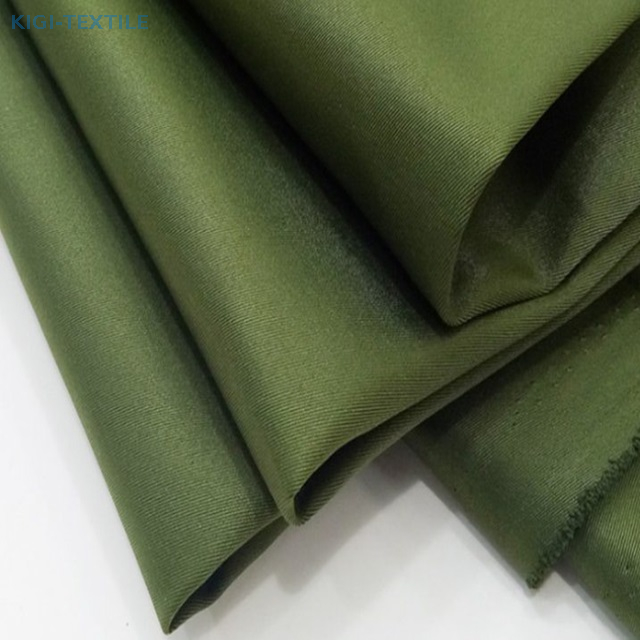
DWR alters the surface tension of the textile. Surface tension determines how liquids behave on solids. The chemical lowers the surface energy of the garment. Raindrops maintain their spherical shape instead of spreading out. They simply roll off the material instantly. This treatment does not seal the microscopic pores between yarns. Therefore, it maintains maximum breathability for active users.
Preserves the natural drape and flexibility.
Maintains crucial airflow for high-exertion garments.
Functions as the vital first line of defense.
We recommend DWR for light precipitation. It suits fast-moving outdoor activities perfectly. However, DWR wears off over time through physical abrasion. Standard machine washing also degrades the chemical layer. Users must routinely reapply aftermarket sprays to restore performance.
Manufacturers apply liquid polymers directly to the interior face. Technicians use massive knife-over-roll coating machines. A precise blade spreads liquid polymer evenly across the moving textile. The material then enters a long curing oven. Heat triggers chemical cross-linking, solidifying the protective barrier. This process creates a solid, impenetrable shield against heavy rain.
PU Advantages: Delivers better cold-weather flexibility and lower overall weight.
PVC Advantages: Offers superior abrasion resistance and drastically lower production costs.
Polyurethane remains lightweight and moderately flexible. It performs exceptionally well across varying temperature extremes. Polyvinyl Chloride provides a highly durable and cheap alternative. Despite its low cost, PVC feels heavy and rigid. It also carries significant environmental concerns regarding manufacturing byproducts. We typically reserve these thick liquid coatings for static applications. They work best for tents and heavy-duty gear bags.
TPU lamination bonds a distinct film directly to the substrate. Factories use precisely calibrated heat and pressure to secure this layer. The monolithic film actively blocks external rain. Simultaneously, it pulls internal moisture vapor outward through molecular diffusion. Micro-porous films operate differently. Micro-porous films contain uniformly distributed sub-micron pores (<1 µm) that exploit the size differential between water vapor molecules (~0.0004 µm) and liquid water droplets (>100 µm), enabling selective permeability when combined with hydrophobic surface chemistry.
This advanced technology suits premium polyester jacket fabric applications perfectly. Blocking external elements while maintaining internal climate control is non-negotiable. A high-quality TPU laminate eliminates the clammy feeling often associated with cheaper rainwear. It represents the pinnacle of modern textile engineering. You achieve reliable weatherproofing without sacrificing wearer comfort.
Heavy-duty equipment requires strict evaluation criteria for material selection. High tensile strength and extreme puncture resistance dominate the priority list. Absolute waterproofing ensures expensive internal gear remains completely dry during severe storms. Backpacks and duffel bags frequently encounter abrasive rocks and concrete.
The optimal pairing involves a heavyweight polyester oxford fabric. We combine this rugged base with a thick PU inner coating. Adding an external DWR treatment prevents the face textile from saturating. This multi-layered approach guarantees maximum survival in abrasive environments. Mountaineering expeditions rely heavily on this exact material composition.
Athletic garments demand a completely different set of performance metrics. Flexibility and high breathability dictate wearer comfort during intense physical exertion. We measure breathability using the Moisture Vapor Transmission Rate (MVTR). Wash durability also plays a massive role in consumer satisfaction. Garments must survive constant laundering.
We suggest pairing lightweight textiles with a high-performance TPU laminate. Adding a PFAS-free DWR face finish provides strict environmental compliance. This combination delivers excellent weather shedding capabilities. It keeps athletes completely dry from external rain. It also rapidly vents internal sweat away from the body.
Static structures face relentless exposure to the elements year-round. Evaluation criteria prioritize extreme UV resistance and anti-fungal properties. Long-term colorfastness ensures commercial installations do not look faded after one summer. Awnings and marine covers endure punishing environmental stress constantly.
We highly recommend using solution-dyed substrates for these specific projects. The color pigment goes directly into the liquid polymer before fiber extrusion. We top this base with specialized UV-inhibitor topcoats. An acrylic or PU backing adds necessary dimensional stability. This backing keeps taut awnings from sagging over time.
Applying barrier treatments requires precision. Follow these established guidelines to ensure product success.
Best Practice: Always test seam tape adhesion before authorizing bulk production runs.
Best Practice: Specify exact backing materials to prevent chemical migration during warehouse storage.
Best Practice: Use colorfast pigments designed specifically to survive continuous solar exposure.
Common Mistake: Applying a stiff PVC coating to a low-denier substrate causes immediate tear failures.
Common Mistake: Ignoring ambient humidity requirements during PU curing leads to massive delamination.
Common Mistake: Relying entirely on DWR for heavy rain protection guarantees end-user complaints.
The transition away from per- and polyfluoroalkyl substances disrupts legacy supply chains. Regulators globally classify PFAS as forever chemicals. They show extreme environmental persistence. The textile industry previously relied heavily on C8 chemistry. Brands later shifted from C8 to C6 formulations to reduce toxicity. Now, strict regional mandates force a rapid transition to PFAS-free or C0-free chemistry.
We acknowledge PFAS-free treatments are significantly safer for ecological systems. They easily meet strict legal compliance in North American and European markets. However, PFAS-free options currently require more frequent reapplications to maintain peak hydrophobic performance. You must educate end-users on proper garment maintenance. Managing consumer expectations prevents unnecessary warranty returns.
Delamination risks present another massive manufacturing hurdle. Improper curing times ruin batch consistency completely. Incorrect bonding temperatures cause catastrophic material failures. TPU laminates or PU coatings will bubble and peel away under stress. These costly failures occur when factories rush production. Skipping mandatory quality control tests always ends poorly.
Specialized finishes add significant processing time to any production schedule. Proprietary breathable laminates require specialized machinery. They also demand strict environmental controls inside the facility. Mills enforce high minimum order quantities for these complex chemical treatments. You must factor extended lead times into seasonal product roadmaps. Planning ahead actively prevents devastating retail stockouts.
Selecting the perfect barrier requires methodical evaluation of expected field conditions. We use a standardized framework to eliminate costly guesswork. It prevents expensive over-engineering of basic consumer products. Follow these exact steps to specify the correct protective treatment.
Identify the Primary Threat: Determine if the product faces sustained hydrostatic pressure from heavy rain. Assess whether it only needs to survive intermittent moisture. Consider if prolonged UV exposure represents the largest degradation risk.
Establish Budget Thresholds: Analyze your target retail price and retail profit margins. Determine if the budget supports an advanced multi-layer TPU laminate. Decide if a standard single-pass PU coating meets the acceptable failure rate.
Demand Objective Proof: Never accept the word waterproof at face value. Require suppliers to provide specific Hydrostatic Head lab reports. Target a minimum of 10,000mm for serious rainwear. Request breathability testing showing at least 10,000g/m²/24hr.
Execute Prototype Testing: Request physical yardage samples of all treated textiles. Conduct rigorous prototype wash-testing and abrasion evaluation in-house. Verify seam-taping compatibility before committing capital to bulk factory production.
You must compare your sourcing options systematically. Review the core performance characteristics in the summary comparison below. This matrix helps clarify your final specification choice.
| Finish Category | Primary Functional Benefit | Ideal Product Use Case | Relative Sourcing Cost |
|---|---|---|---|
| PFAS-free DWR Treatment | Eco-friendly, highly breathable water shedding | Light activewear and windbreakers | Low |
| Polyurethane (PU) | Durable, flexible, and reliable waterproofing | Camping tents and hiking backpacks | Medium |
| Polyvinyl Chloride (PVC) | Extreme puncture resistance and total barrier | Industrial covers and marine tarps | Low |
| TPU Film Laminate | Exceptional MVTR breathability under pressure | Premium technical jackets and snow gear | High |
Weather resistance functions as a carefully engineered system rather than a single material property. A hydrophobic yarn alone cannot protect users from extreme outdoor environments. Pairing the correct base construction with the right chemical finish minimizes disastrous field failures. Proper lamination ensures the final Polyester Fabric product performs exactly as your marketing materials claim. Over-engineered barriers waste money. Under-engineered coatings destroy your brand reputation.
Start by auditing your current supplier's coating specifications today. Request updated lab tests to ensure strict compliance with emerging environmental regulations. Demand complete transparency regarding PFAS phase-outs and factory transition timelines. Testing physical yardage samples before bulk production remains crucial. It stands as the most reliable way to secure long-term product success. You can confidently build superior gear when you understand these chemical boundaries.
A: Yes, consumers can apply post-market DWR sprays or wash-in treatments to existing garments. However, these consumer-grade solutions only restore surface water repellency. They cannot replicate the heavy-duty hydrostatic resistance of a factory-applied PU coating or TPU laminate. Factory processes use extreme heat and pressure to bond chemical barriers permanently to the yarn.
A: A high-quality PU coating typically lasts five to ten years under normal usage. Hydrolysis remains the primary cause of degradation. It causes the chemical layer to become sticky, emit foul odors, and eventually peel. Storing gear in hot, humid, or poorly ventilated spaces accelerates this chemical breakdown significantly. Always store treated gear completely dry.
A: The distinction relies entirely on standardized hydrostatic head testing. Water-resistant textiles generally handle light rain and feature a rating below 1,500mm. Waterproof materials withstand sustained pressure. They usually require a minimum rating of 1,500mm for basic protection. Premium technical materials exceed 10,000mm to survive severe alpine storm conditions.
A: Yes, chemical treatments directly alter the textile's hand feel. A lightweight DWR treatment leaves the material feeling natural and highly flexible. Conversely, a heavy PVC coating makes the material noticeably stiffer, heavier, and plastic-like. TPU laminates offer an excellent middle ground. They provide robust protection while retaining moderate drape and comfortable flexibility.


